Collecting evidence after a drunk driving accident involves building a paper trail that methodically links the other driver’s intoxication to your specific injuries. This proof is what stands between you and the compensation needed to put your life back together.
The evidence in these cases has a short shelf life. Chemical test results from the police get lost in bureaucracy, surveillance footage from a nearby storefront gets overwritten within days, and the memories of key witnesses begin to fade almost immediately. Insurance adjusters understand this timeline perfectly. Delays and gaps in your documentation become reasons for them to argue their driver was not responsible, or that your injuries are not as severe as you claim.
You do not need to become a detective while trying to recover. Specific, legal avenues exist to secure key data—from the black box recorder in the drunk driver's car to the credit card receipts from the bar that over-served them. Knowing what to look for is the first step.
Our firm, Lorenz & Lorenz, PLLC, handles these difficult investigations for our clients every day. If you are at home, recovering from your injuries and worried about how you'll prove your case, call us. Contact us at (512) 477-7333 for a free consultation.
Key Takeaways for Collecting Drunk Driving Accident Evidence
- Act quickly to preserve time-sensitive evidence. Digital data like surveillance footage is often overwritten within days, and an Event Data Recorder ("black box") may be erased if the vehicle is repaired or destroyed.
- Your medical records are a primary form of proof. Consistent medical treatment and a detailed pain journal create a clear timeline that links the crash directly to your injuries and suffering.
- The driver is not the only potentially liable party. Under Texas Dram Shop laws, a bar or restaurant that over-served an obviously intoxicated person may also be held financially responsible for the resulting accident.
Why Drunk Driving Cases Require Different Evidence
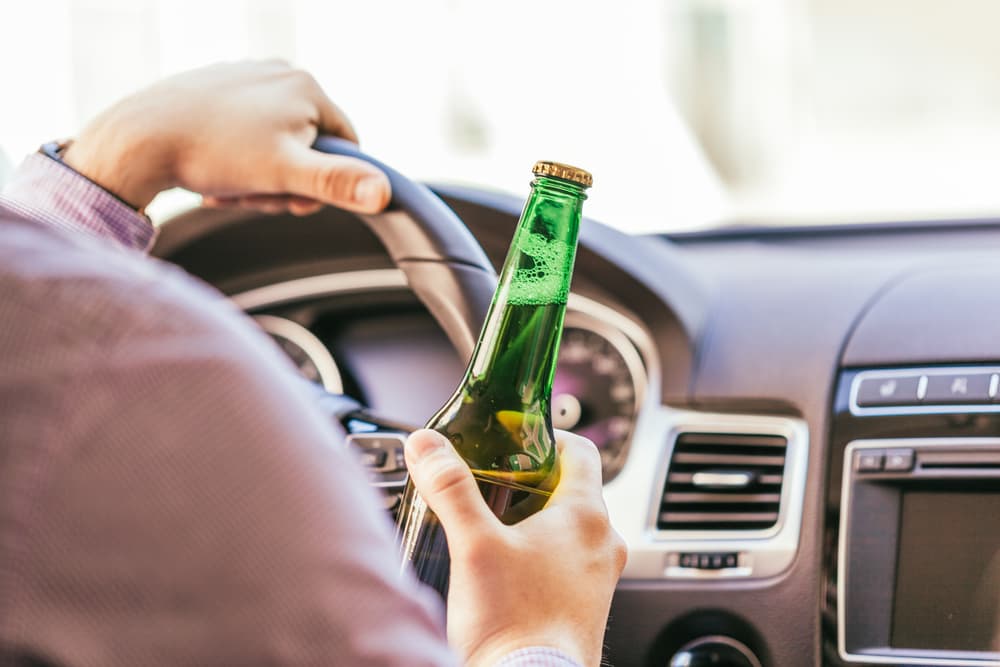
A typical fender-bender is a case of simple negligence. One driver failed to act with reasonable care, causing an accident. But a drunk driving crash is different. It frequently rises to the level of gross negligence, a legal distinction that dramatically changes the nature of a personal injury claim.
In Texas, proving the at-fault driver was grossly negligent, meaning their actions involved an extreme degree of risk of which they were aware, opens the door to what are known as punitive damages.
These are not meant to pay for your medical bills or lost wages. They are intended to punish the drunk driver for their reckless behavior and to deter others from making the same dangerous choice. To secure these damages, however, you must meet a higher standard of proof. You must show a direct line from the driver’s impaired condition to the collision that caused your harm.
This is where another legal concept, Negligence Per Se, comes into play. Simply put, if a person violates a safety law—such as Texas laws against driving while intoxicated—and that violation causes the exact type of harm the law was designed to prevent, they are automatically considered negligent. Your evidentiary goal then becomes proving the statutory violation (the DUI) to firmly establish liability.
Evidence You Can Gather From Home (Your Medical Trail)
The Medical Record as Proof of Causation
Immediately request copies of all your documentation, starting with the discharge papers from the emergency room. Also, secure the reports and images from any diagnostic imaging, such as X-rays, CT scans, or MRIs. These records objectively document the physical harm you sustained.
Follow all medical advice. Insurance companies scrutinize records for gaps in treatment. If you wait two weeks to see an orthopedic specialist for your back pain, an adjuster might argue that your injury was not a result of the crash, but from something else that happened during that two-week period. Consistent medical care closes this potential loophole.
The Power of a Pain Journal
While medical records are objective, a pain journal provides a subjective, but equally powerful, account of your ordeal. It translates your physical pain and emotional distress into a format that a judge or jury understands. Do not just write "my shoulder hurts today." Instead, document the tangible impact on your life:
- "The pain in my shoulder was so sharp this morning I could not lift the coffee pot."
- "Had to miss my daughter's soccer game because the migraine from my concussion was unbearable."
- "Tried to return to my desk job, but could only last two hours before the back spasms forced me to go home."
This contemporaneous record of your non-economic damages (the legal term for pain and suffering) is difficult for an insurance company to dismiss as exaggeration.
Documenting Your Lost Wages
Finally, keep a clear file of all communication with your employer about time missed from work. Save emails, letters, and pay stubs showing reduced hours. This creates an undeniable record of the direct economic losses you suffered because you were physically unable to work.
Securing the Official Narrative: The Police & Crash Reports
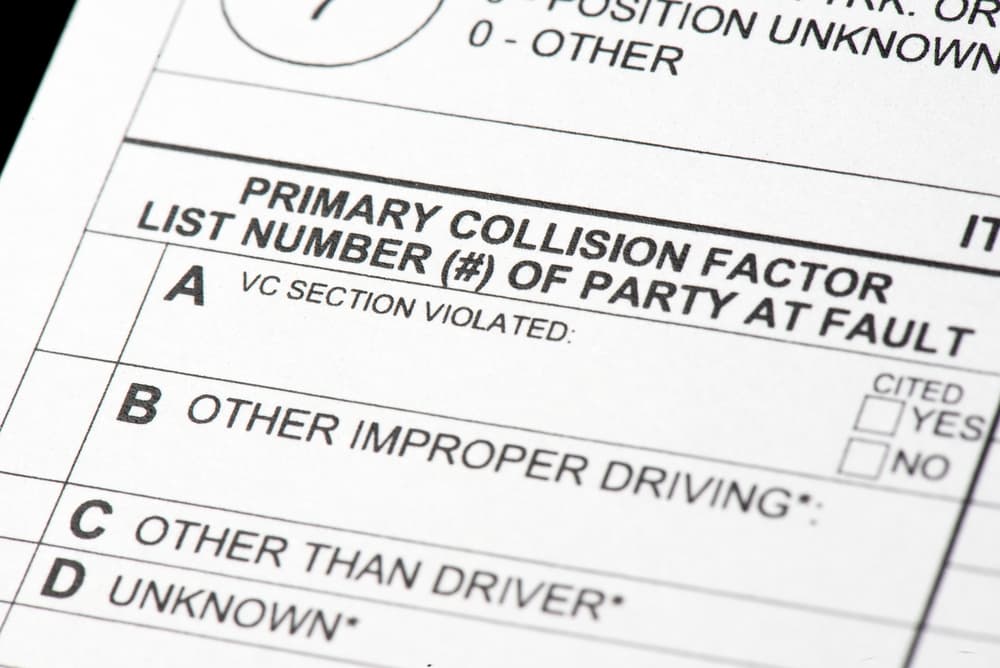
When police respond to an accident, the information sheet they hand you at the scene is not the full story. The primary document is the official Texas Peace Officer’s Crash Report, commonly known as the CR-3. This report contains the officer's initial findings, witness information, a diagram of the scene, and contributing factor codes.
You can order a copy of your CR-3 report directly from the TxDOT Crash Report Online Purchase System. When reviewing the report, look for specific codes that indicate alcohol involvement, such as "Under the Influence of Alcohol" or "Had Been Drinking." These notations from a law enforcement officer carry significant weight.
Frequently, the report will state "Results Pending" next to the section for blood or breath tests. This is normal, as toxicology labs take weeks to process results. A personal injury lawyer will track these results as they become available and ensure they are added to your case file.
Going Beyond the Written Report
The CR-3 is the officer’s summary, but their body camera footage contains the raw, unfiltered data. This footage shows the other driver slurring their words, stumbling while trying to perform a field sobriety test, or making admissions like, "I only had a couple of beers." This visual evidence is more compelling than a written summary. Obtaining this footage typically requires a formal Public Information Act request, a step our firm routinely handles for clients to build the strongest possible case.
The "Hidden" Evidence: Digital & Electronic Data
Some of the most persuasive evidence in a drunk driving case is digital, and it disappears quickly.
Surveillance Footage: The Race Against Time
Think about the location of the crash. Was it near a gas station, a bank, or a strip mall? Did any nearby homes have doorbell cameras? This surveillance footage might have captured the accident itself or the drunk driver's erratic behavior just moments before impact.
The challenge is that most commercial and residential security systems are set to overwrite their footage every 24 to 72 hours. If a formal preservation letter is not sent to these businesses and individuals immediately, that evidence may be lost forever.
Event Data Recorders: The Vehicle’s Black Box
Nearly all modern vehicles are equipped with an Event Data Recorder (EDR), or black box. In the event of a collision, this device captures and stores key data from the seconds leading up to impact. This includes:
- Vehicle Speed: Proving the driver was speeding.
- Braking: Drunk drivers frequently fail to brake before impact. The EDR showing "0% braking" demonstrates a lack of reaction time consistent with impairment.
- Steering Inputs: Shows if the driver swerved suddenly.
- Throttle Position: Indicates if they were accelerating into the crash.
Securing this data requires specialized software and a legal order to prevent the at-fault party's vehicle from being repaired or destroyed, which would erase the EDR's contents. An car accident attorney will take this step on your behalf.
911 Call Recordings
The 911 calls related to your accident may not have come from you. Other concerned drivers may have called dispatch minutes before the crash to report a vehicle "swerving all over the road" or "driving erratically." These recordings establish a timeline of dangerous behavior, proving that the collision was not a simple mistake but the predictable outcome of a prolonged period of impaired driving.
Investigating the Source: Texas Dram Shop Evidence
In some cases, the drunk driver is not the only party who may be held responsible. Texas law recognizes that the establishment that provided the alcohol may also be liable for the harm that resulted.
Under the Texas Dram Shop Act, a bar, restaurant, or other provider that serves alcohol to a person who is "obviously intoxicated" to the point of being a clear danger to themselves and others may be held liable for damages caused by that intoxication. If an over-served patron leaves a bar and causes a crash, the victim may have a claim against both the driver and the establishment.
Proving a Dram Shop case requires a thorough investigation that goes far beyond the crash scene. This is work for a legal team, but it helps to know what they are looking for:
- Receipts and Credit Card Statements: These provide timestamps showing how many drinks a person purchased over a short period.
- Bar Tabs: May detail the exact types and quantities of alcohol served.
- Video Surveillance: Footage from inside the bar shows the patron stumbling, slurring, or being served even after showing clear signs of impairment.
- Witness Interviews: Bartenders, servers, and other patrons testify about the driver's behavior.
- TABC Records: We investigate whether the establishment has a history of violations with the Texas Alcoholic Beverage Commission.
The Parallel Criminal Case: How It Helps You
After a drunk driving accident, there are two separate legal cases that proceed on parallel tracks: the criminal case brought by the State of Texas against the drunk driver (for DWI), and your civil case for personal injuries. You do not need a criminal conviction to win your civil lawsuit, as the standard of proof is lower in civil court ("preponderance of the evidence" vs. "beyond a reasonable doubt").
However, the criminal case produces a mountain of evidence that is incredibly valuable to your civil claim. If the driver pleads guilty or is found guilty of the DWI charge, that plea or verdict is often used as conclusive evidence of their negligence in your personal injury case. This prevents the driver's insurance company from disputing liability.
Furthermore, once the criminal case is resolved, your attorney gains access to the full District Attorney's file. This file may contain evidence that was not included in the initial police report, such as detailed toxicology reports from blood tests, expert witness opinions, and the full video of the field sobriety tests. This information further solidifies your claim for damages.
FAQ: Common Questions on How to Collect Evidence After a Drunk Driving Car Accident
The police report doesn’t say the driver was drunk. Can I still prove it?
Yes. The police report is an important piece of evidence, but it is not the final word. The responding officer may have been busy managing the scene and missed the signs of impairment. Evidence such as witness testimony describing the driver's behavior, surveillance video, or even the driver's own admissions at the scene proves they were intoxicated.
Can I use the other driver’s apology against them?
In many situations, yes. While a simple expression of sympathy might not be admissible, statements that admit fault (e.g., "I am so sorry, I had way too many beers") are considered "statements by a party opponent" and are powerful evidence in your favor.
How long do I have to collect evidence?
Physical evidence like surveillance video may be lost in a matter of days. The legal deadline to file a personal injury lawsuit in Texas, known as the statute of limitations, is generally two years from the date of the accident. However, waiting that long makes it nearly impossible to gather the fresh, compelling evidence needed to build a strong case.
What if the driver refused the breathalyzer?
In Texas, refusing a lawful request for a breath or blood test triggers an automatic driver's license suspension under the Administrative License Revocation (ALR) program. For your civil case, your lawyer will argue that this refusal demonstrates "consciousness of guilt"—in other words, the driver refused the test because they knew they were intoxicated and would fail it.
Can I get the driver’s phone records?
You cannot personally request them, but during the formal discovery phase of a lawsuit, your attorney will subpoena the driver's cell phone records. These records show if they were texting, talking, or otherwise distracted at the moment of the crash, adding another layer of negligence to their drunk driving.
You Heal. Let Us Run the Investigation.
You might worry that proving your case will come down to your word against the drunk driver's. It rarely does. Impaired drivers leave a clear trail of evidence. You just need someone who knows where to look and how to legally secure it.
At Lorenz & Lorenz, PLLC, our practice is focused on handling these difficult investigations. While you focus on your physical and emotional recovery, we will focus on the details. We know how to obtain black box data, subpoena bar records, and hold negligent drivers and the establishments that enable them accountable.If you have questions about an accident caused by an impaired driver, call us today for a no-cost consultation. We are ready to help. Contact us at (512) 477-7333.